
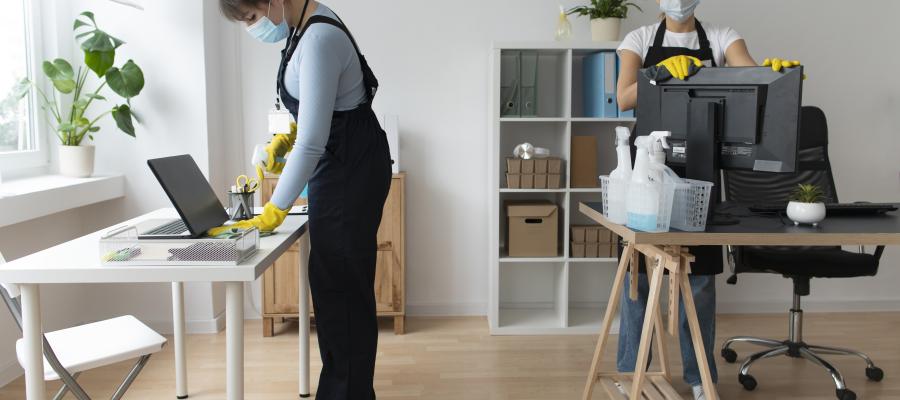
Why Office Deep Cleaning Matters for Businesses
Discover why office deep cleaning is essential for employee health, productivity, and your bottom line. Explore the benefits, key areas to target, and how to build a cleaning strategy.
In the hustle of daily operations, it’s easy to settle for a surface-level clean. We empty the trash cans, wipe down the kitchen counters, and run the vacuum through the aisles. It looks tidy, right? But here’s the hard truth: routine cleaning and deep cleaning are not the same thing. While janitorial tasks keep up appearances, office deep cleaning gets to the heart of what actually makes a workspace healthy, safe, and efficient.
If you manage a business, own a commercial space, or just want the best for your team, understanding the importance of deep cleaning is a game-changer. We’re going to pull back the rug (literally) and look at the grime, germs, and dust hiding in plain sight. By the end of this, you’ll see that a truly clean office isn’t just a nicety—it’s a strategic business advantage.
What is Office Deep Cleaning? (And How is it Different?)
To understand why it matters, we first need to define what we’re talking about. Often, the terms "janitorial service" and "commercial cleaning" are used interchangeably, but in the professional world, they refer to two distinct levels of service.
- Janitorial Services (Routine Maintenance): This is the maintenance work that happens daily or weekly. Think of it as the "upkeep" cleaning. It includes emptying trash, vacuuming carpets, wiping down breakroom tables, and cleaning restroom fixtures. The goal is consistency and sanitation to keep the space presentable for the next day.
- Commercial Deep Cleaning (Restorative Cleaning): This is the heavy lifting. Deep cleaning targets the dirt, grime, and bacteria that routine maintenance misses. It involves specialized equipment and professional-grade products to clean hard-to-reach areas, strip built-up wax from floors, extract hidden dirt from carpets, and disinfect every nook and cranny.
If janitorial services are the daily brushing of your teeth, deep cleaning is the dentist visit—the thorough, professional scrub that prevents long-term decay.
10 compelling reasons why office deep cleaning matters.
Still unsure if scheduling such a thorough cleaning is worthwhile? Let's get into the real benefits for your team, brand, and wallet.
1. It significantly improves the indoor air quality.
Did you know that the air inside an average office building can be two to five times more polluted than outside? Carpets, upholstery, and ventilation systems collect dust, pollen, pet dander, and other allergies. Every time someone walks across the floor or the air conditioner turns on, tiny particles are released into the air you breathe.
Poor indoor air quality (IAQ) contributes to what specialists call "Sick Building Syndrome," which causes headaches, lethargy, and difficulties concentrating. A skilled, thorough clean eliminates harmful toxins at their source, allowing your workers to breathe comfortably and think clearly.
2. Reduces employee sick days and prevents germs from spreading.
Office environments resemble petri dishes. Consider this: keyboards, phones, door knobs, light switches, and the workplace coffee pot. These high-touch surfaces serve as breeding grounds for germs and viruses. A simple wipe-down with a household cleaner is insufficient to eliminate the hardy bacteria that cause colds, flu, and other ailments.
Deep cleaning uses hospital-grade disinfectants that target and eliminate harmful pathogens. By reducing the bioload in the office, you break the chain of infection, leading to fewer sick days and a healthier, more present workforce.
3. Boosts Employee Productivity and Morale
There is a direct psychological link between our environment and our ability to focus. Clutter, grime, and unpleasant odors are subconscious distractions. A 2021 study by the International Sanitary Supply Association (ISSA) found that 88% of workers feel that an untidy workspace negatively impacts their concentration.
When you invest in a deep clean, you’re not just cleaning floors; you’re clearing minds. A fresh, spotless environment signals to your employees that they are valued. This boosts morale and creates a sense of pride in the workplace, which naturally leads to higher engagement and productivity.
4. Creates a Stellar First Impression on Clients
Your workplace is a bodily illustration of your brand. When a potential client walks into a lobby with dull, smudged glass, stained carpets, or a lingering musty smell, what message does this send? It suggests a lack of attention to detail, whether that’s fair or not. A professionally deep-cleaned office exudes professionalism, competence, and trust . It shows that you care about the details, which gives clients confidence that you’ll care about theirs. First impressions are formed in seconds—make sure yours is sparkling. 5. Protects Your Assets and Extends Longevity
Your office furniture, flooring, and equipment represent a significant capital investment. Dirt is abrasive. The grit ground into carpet fibers acts like sandpaper, wearing them down prematurely. Dust buildup inside computers and electronics can cause them to overheat and malfunction. Regular deep cleansing eliminates those corrosive elements. Carpet extraction cleaning pulls dirt from the base of the fibers, extending the carpet's life. Proper cleaning of upholstery prevents fabric breakdown. By protecting these assets, you delay costly replacements and protect your bottom line
5. Protects Your Assets and Extends Longevity
Your office furniture, flooring, and equipment represent a significant capital investment. Dirt is abrasive. The grit ground into carpet fibers acts like sandpaper, wearing them down prematurely. Dust buildup inside computers and electronics can cause them to overheat and malfunction.
Regular deep cleansing eliminates those corrosive elements. Carpet extraction cleaning pulls dirt from the base of the fibers, extending the carpet's life. Proper cleaning of upholstery prevents fabric breakdown. By protecting these assets, you delay costly replacements and protect your bottom line
6. Eliminates Hidden Allergens and Odors
Have you ever walked into an office and noticed a faint, stale smell? That’s the scent of trapped bacteria, mold, and mildew, often lurking deep in carpets, behind appliances, or in bathroom grout. Daily cleaning simply masks these odors with surface sprays.
Deep cleaning tackles the source. It includes steam cleaning, grout scrubbing, and fabric sanitization that neutralizes odor-causing bacteria at their roots. This is particularly crucial for employees with asthma or allergies, as deep cleaning drastically reduces the presence of triggers.
7. Enforces compliance with health and safety standards.
Depending on your industry, maintaining a specific level of cleanliness isn't optional—it's the law. Industries like healthcare, food service, and even general offices are subject to health and safety regulations (like OSHA standards) that require a hygienic environment.
Regular deep cleaning helps you stay compliant with these standards, reducing your liability risk. It demonstrates a duty of care to your employees, which is not only a legal best practice but an ethical one as well.
8. Lowers the risk of pest infestations.
Pests like rodents, ants, and cockroaches are attracted to food debris, crumbs, and moisture. While daily trash removal helps, deep cleaning reaches the areas where these particles hide: under vending machines, inside desk drawers, and in the cracks of breakroom floors.
By removing the attractants through a thorough, deep clean, you make your office far less inviting to pests. This proactive approach saves you from the embarrassment and health hazards of an infestation later on.
9. Helps Maintain a More Organized Space
The process of deep cleaning often goes hand-in-hand with organization. To truly clean an area, you have to declutter it. This means tackling those overflowing filing cabinets, organizing supply closets, and clearing off desks.
The result is not just a cleaner space, but a more organized one. An organized workspace reduces stress and saves time because employees aren't wasting minutes searching for misplaced files or supplies.
10. Promotes Overall Workplace Safety
Safety isn't just about fire drills and first aid kits; it's also about the physical state of the office. Spills that aren't properly deep-cleaned can leave residues that make floors slippery. Worn or stained carpets can create trip hazards.
A deep clean ensures that floors are properly treated for optimal traction, walkways are clear of debris, and restrooms are sanitized to prevent the spread of pathogens. It’s a foundational layer of your overall workplace safety program.
Key Areas That Need More Than a Quick Wipe
When scheduling a deep clean, it’s important to know where to focus. While a janitorial team handles the surfaces, a deep cleaning team goes inside. Here are the critical zones:
The Restroom: The True Test of Cleanliness
Restrooms are a top concern for facility managers, with 44% reporting them as one of their top three problem areas. Deep cleaning here goes beyond wiping mirrors and emptying trash. It involves:
- Tile and Grout Restoration: Removing mold and mildew from grout lines.
- Deep Sanitization: Using disinfectants on all surfaces, including stall partitions and door handles.
- Odor Removal: Treating drains and toilets to eliminate bacteria that cause smells at the source
The Breakroom: More Germs Than a Toilet Seat?
It might sound surprising, but breakroom sinks, microwave handles, and refrigerator doors often harbor more bacteria than office restrooms. Because people eat here, food debris creates a perfect storm for bacterial growth. Deep cleaning includes:
- Appliance Detailing: Pulling out the fridge to clean the coils and floors underneath, degreasing microwaves, and deep cleaning ovens.
- Cabinet and Drawer Cleaning: Removing crumbs and dust from where dishes and utensils are stored.
Carpets and Upholstery: The Hidden Grime Traps
Carpets are the largest air filters in the office, trapping everything brought in from the outdoors. Deep cleaning involves hot water extraction (often called steam cleaning) to pull deeply embedded dirt, allergens, and stains from the fibers. Upholstery cleaning does the same for office chairs and couches, removing body oils, dust mites, and odors.
Workstations and Electronics
We touch our desks, keyboards, and mice constantly, but they rarely get a proper disinfection. Deep cleaning services pay special attention to these zones, using appropriate solutions to sanitize electronics without damaging them, removing dust from computer towers, and ensuring phones are germ-free.
Out-of-Sight Areas: Vents and High Surfaces
Dust doesn't just settle on desks. It accumulates on top of filing cabinets, light fixtures, and inside air vents. Over time, this dust circulates through the HVAC system, degrading air quality. A thorough deep clean includes high dusting and vent cleaning to remove these pollutants from the air circulation system.
Building an Effective Deep Cleaning Strategy
So, how often should you do this? And how do you integrate it into your current routine?
- High-Traffic Areas (Lobbies, Restrooms, Breakrooms): Every 1 to 3 months. These spaces take the most abuse and see the most people.
- Moderate-Use Areas (General Office, Conference Rooms): Every 6 months. This helps maintain a baseline of freshness and protects furniture. Low-Traffic Areas (Storage Rooms, Infrequently Used Offices): At least once a year.
- Low-Traffic Areas (Storage Rooms, Infrequently Used Offices): At least once a year. Additionally, you should always schedule a deep clean after office renovations, moving in or out of a space, or following a major illness outbreak in the office to reset the environment.
The "Combo Plan": Marrying Janitorial and Deep Cleaning
The most successful businesses don't choose between routine and deep cleaning; they use both. Think of it as a comprehensive health plan for your office.
- Janitorial (Daily/Weekly): Provides the "maintenance" that keeps the space looking good day-to-day and prevents the rapid buildup of dirt.
- Deep Cleaning (Quarterly/Bi-Annually): Provides the "restoration" that resets the space, extends the life of assets, and ensures deep-down hygiene.
This combination ensures your office is always client-ready while also being a genuinely healthy environment for your team.
Conclusion: Clean is good; deep cleaning is better.
In today's competitive environment, cutting shortcuts is not an option. A short cleaning may make the office appear presentable, but it does not increase productivity, health, or safety. Office deep cleaning is an investment in your employees' health, your company's reputation, and the durability of your physical assets.
The benefits are apparent, ranging from enhancing the quality of our air to fighting against the next seasonal flu. So take a good check around your workstation. Examine the corners, rugs, and grout. When you see what's truly there, you'll know it's time to move beyond the surface.
